Orbis Environmental Consulting

Our Cultural Resource specialists can help you manage the risk of impacting important historic or archaeological places.

Stay on schedule and under budget by planning for wetlands

Helping our clients complete hundreds of projects has taught us that the schedule and cost are two of their top priorities. This is no surprise, but even so, it can be a challenge to stay on time and under budget, especially if you plan, design, or build development projects.

You have to plan ahead to anticipate where delays, additional costs, or other unintended impacts may pop up. That means if you plan, design, or build development projects, sooner or later, you’re going to have to think about wetlands.

Now, I understand, it may be tempting to say to yourself “There aren’t wetlands in my project area,” and simply move on.

Maybe you looked at aerial photos and don’t see any ponds. Maybe the National Wetlands Inventory map doesn’t show any wetlands on your project site. Maybe you have even been onsite and didn’t see any cattails or standing water.

The problem is, even if all that is true, your site could still have wetlands, under the law.
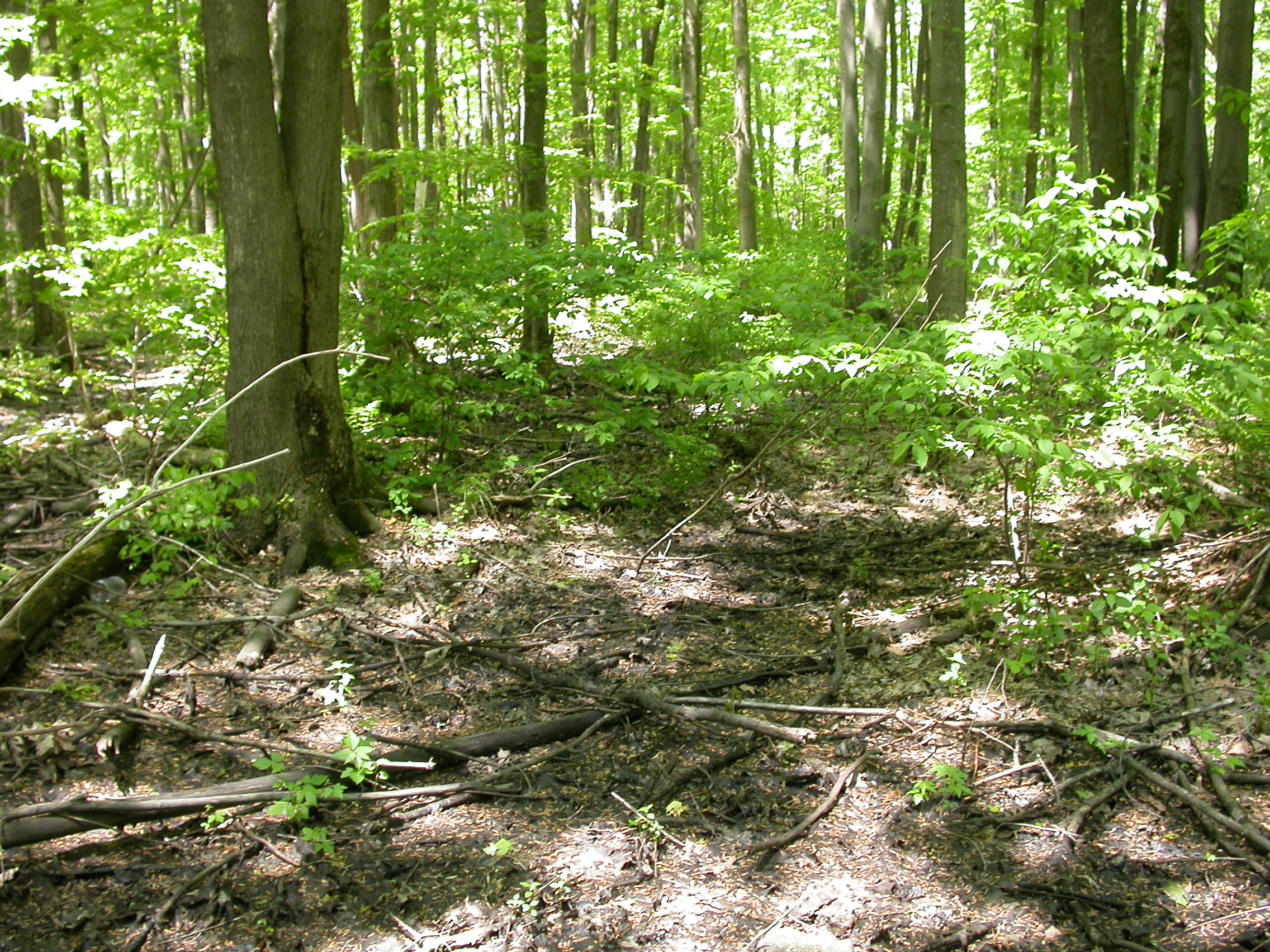
 

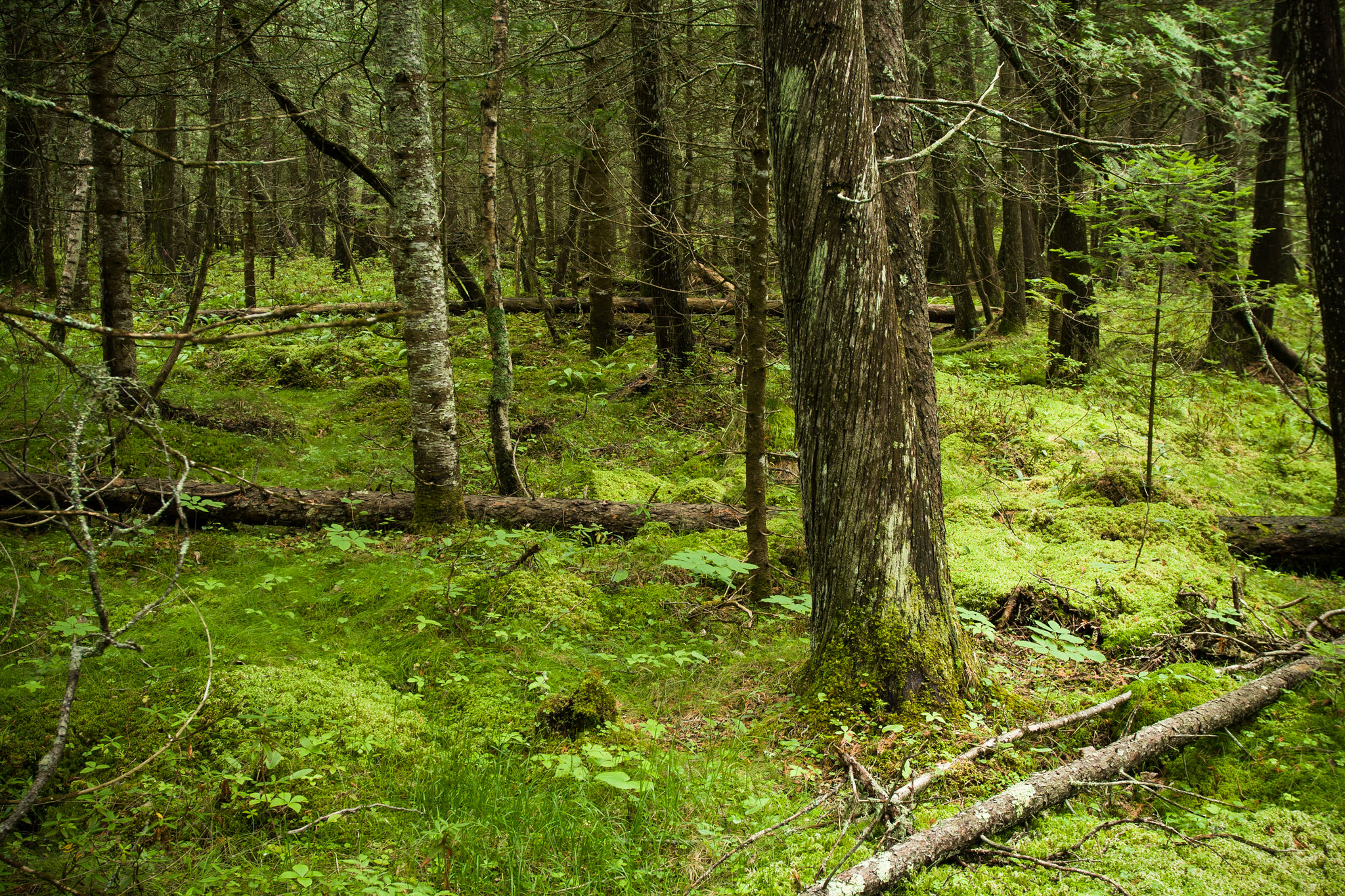
A forested wetland


Wetlands in the U.S. are defined and regulated by government agencies. There are differences depending on where you are, but in Indiana, for example, wetlands are regulated by the U.S. Army Corps of Engineers (USACE) or the Indiana Department of Environmental Management (IDEM).

The last thing you want is to find out that your project has impacted a wetland you didn’t even know was there because it doesn’t “look” like a wetland.  For example, the forested wetland shown above, and the wet prairie below look very different, but both are wetlands.
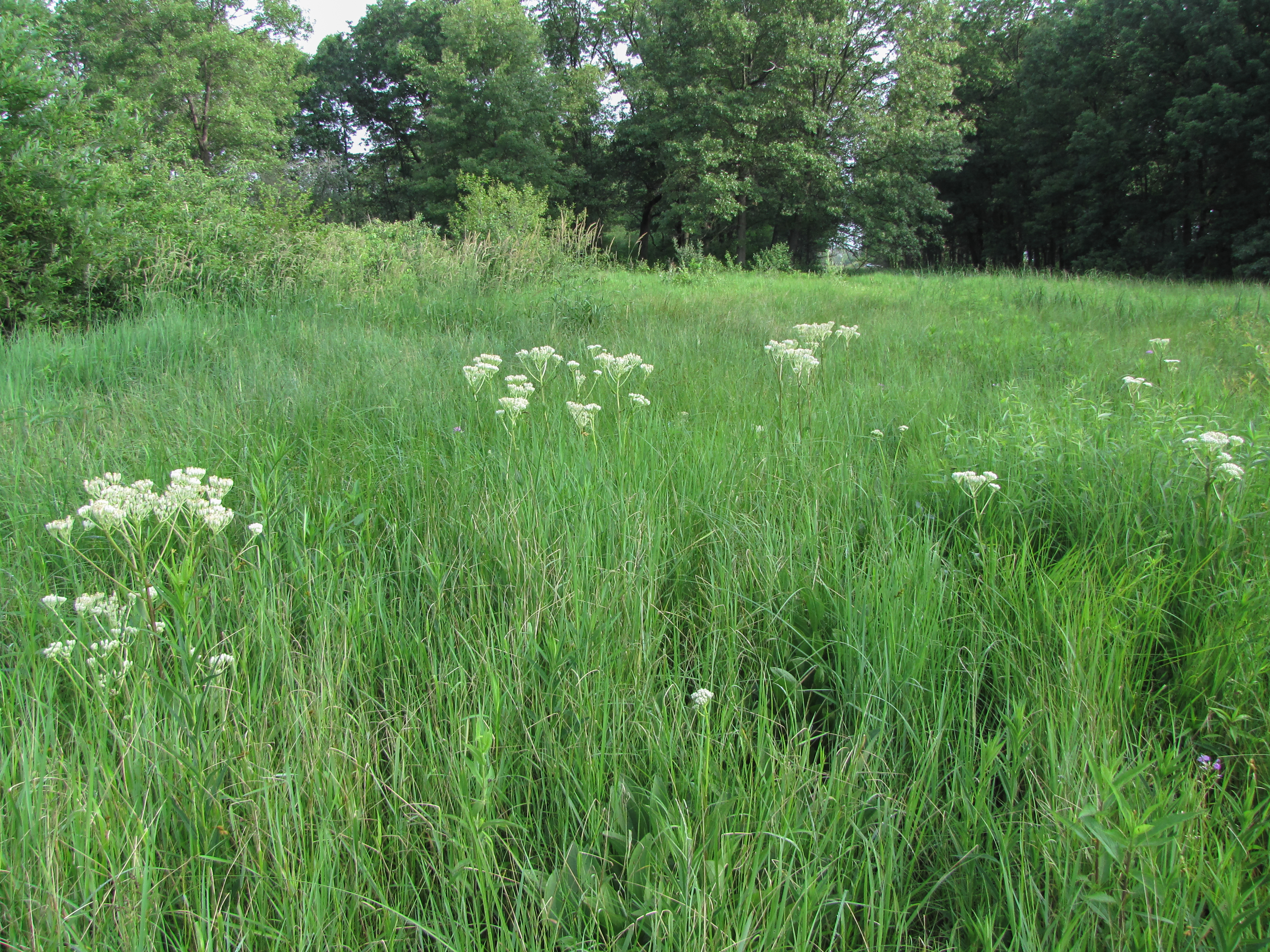
 

A wet prairie


Even inadvertent impacts could lead to substantial delays and additional costs. Depending on the type of impacts, you might even be facing tough questions from the public or the press, or, worse yet, your neighbors.

You can avoid all that just by planning ahead.

Working with a wetland ecologist can help you understand the risks of wetland impacts and can help you answer important questions like:

  • Is there a wetland in my project area?
  • If so, where is it, how big is it, and is it a regulated wetland?
  • If I can’t avoid the wetland, what are my options?
  • What are the costs?
  • How long will it take?

This information can help you make the best decisions to help keep your project on schedule and on budget, and you can avoid the additional stress that comes from schedule delays and budget overruns.

The next step in your project may be to apply for a wetland permit. How do you know if you need one? What does that mean for your project? We’ll talk about that in a post next week.

If you want to talk to an Orbis ecologist, you can contact us at 574-635-1338 or by email at info@orbisec.com.
Share the Post:

Tessa M. Aby-Kruger

Botanist

Tessa is a geologist, botanist and vegetation ecologist with over 10 years of experience managing and conducting projects, specializing in ecological and floristic inventories, rare plant surveys, and vegetation monitoring. She also performs wetland evaluations and is a guided hike leader.

Jeremy Sheets

Senior Wildlife Biologist, Vice President

Jeremy is a founding member of Orbis and directs its ecological and wildlife surveys, assessment and planning services, and brings over 20 years’ experience conducting various wildlife surveys with a focus on bat ecology and urban wildlife management.


Jeremy has managed wildlife projects for private firms and the public sector including for wind facilities, pipelines, roadways, military bases, and airports. Jeremy is proficient in wildlife management/control techniques, wildlife identification, threatened and endangered species, and surveying and analysis techniques for mammals, birds, reptiles, amphibians, fish, and insects. Jeremy is a Federal Aviation Administration (FAA) Qualified Airport Wildlife Biologists who develop Wildlife Hazard Assessments (WHA) and Wildlife Hazard Management Plans (WHMP) for airports. Jeremy is qualified to inspect erosion, sediment and stormwater plans, and their implementation. Furthermore, Jeremy is federally permitted to conduct endangered bat surveys in USFWS Regions 3, 4, 5, and 6 and includes acoustic surveys, mist-netting, and radio telemetry.

J Ryan Duddleson​

Senior Archaeologist, Principal

Ryan is a founding member of Orbis and directs its cultural resource management services, and brings over 20 years’ experience helping clients assess and minimize the risk of impacting places with cultural value.


Ryan works with public sector clients including federal, state, and municipal government, as well as private firms in energy, transportation, industrial, and development sectors. He also coordinates with agencies and consulting parties involved with the National Environmental Policy Act, Section 106 of the National Historic Preservation Act, and other related cultural resource laws and regulations. He performs archival research, analysis, and excavation. Ryan also has experience in artifact and archival curation. He has applied innovative techniques to traditional artifact analysis, such as examining organic residues from prehistoric pottery to determine prior contents. Ryan also has experience with human remains in archaeological settings. Ryan meets the Secretary of the Interior’s Standards and Guidelines for Archaeology and Historic Preservation, 48 FR. 44716 and is a Qualified Professional Archaeologist in Indiana, Illinois, Iowa, Michigan, Ohio, Pennsylvania, and Wisconsin.