Orbis Environmental Consulting

Our Cultural Resource specialists can help you manage the risk of impacting important historic or archaeological places.

Get your Wetland Permit – Complete your Project.


We’ve talked about how to keep your development project on schedule and under budget by planning for wetlands.

We showed how to delineate wetlands on your property and how to know if you need a permit.

What you do next depends on your project, the size and types of wetlands present, and the extent of impacts to those wetlands. Each case is unique, but we can highlight some of the general options you can use to meet the conditions of your permit and complete your project.

The most important thing is to think about your design plan. What types of impacts will your project have on wetlands? How much? Are they permanent or temporary? If you can’t eliminate them, can you reduce them? Consider how to protect existing wetlands.

Depending on the complexity of your design plan you may need an engineer. Don’t skimp here.

Once you’re comfortable with it you can submit your design plan to the relevant agency. When you  working with us, we’ll guide you through the process.

You will also need to consider options for mitigation – the term for offseting any wetland impacts that couldn’t be avoided. Again, this will depend on the specifics of your project, but your mitigation may include:

  • Enhance existing wetlands
  • Create new wetlands
  • Purchase credits at an existing wetland mitigation bank
  • Purchase credits through an in-lieu-fee program

As part of the mitigation you may also need to establish a deed restriction or conservation easement.  All of this information then goes into your permit application.
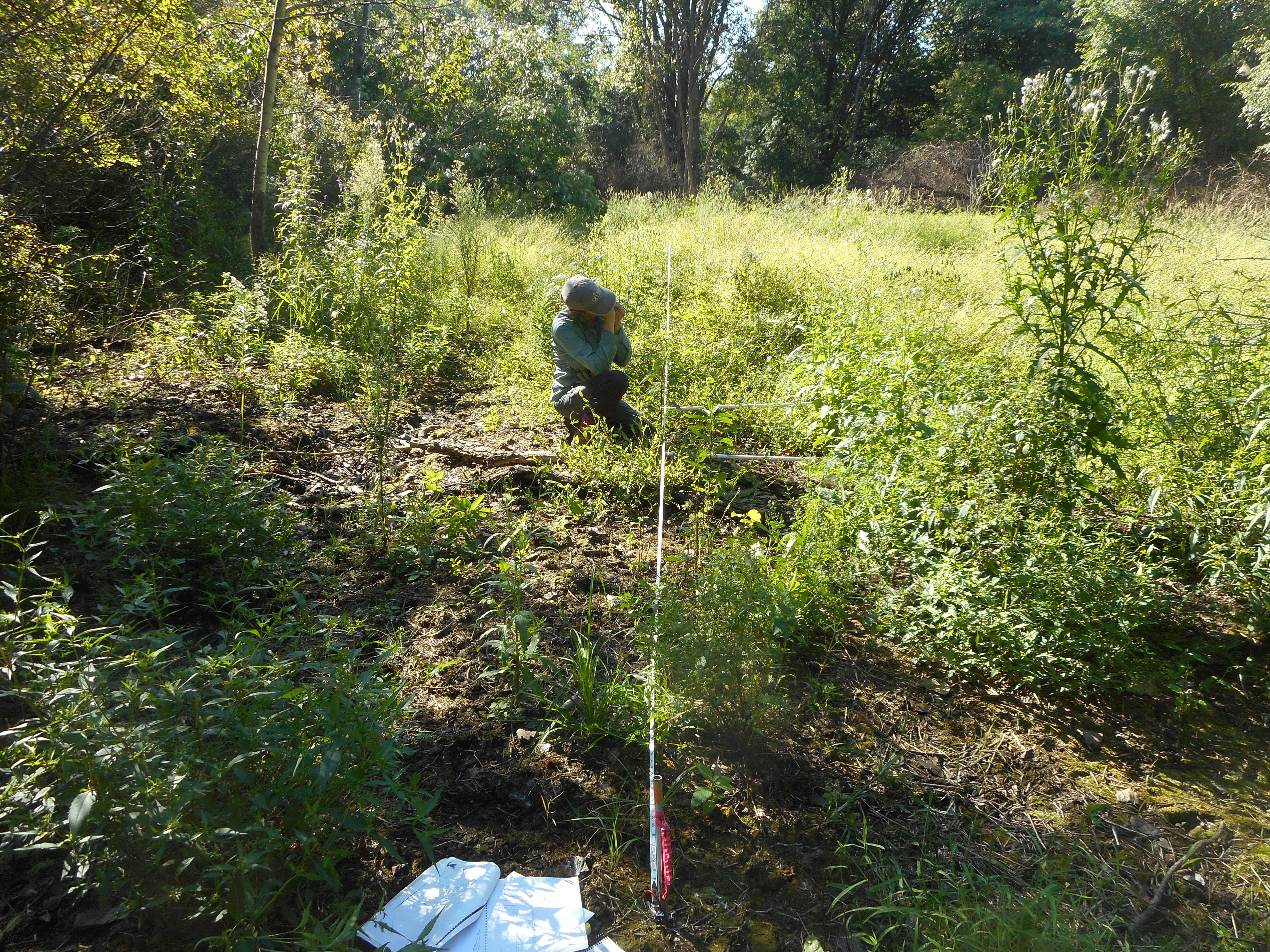
A delineator monitoring a restored wetland.


What’s the best option for your situation? Orbis can help you pick the best one for you.

So how long does this process take? Again, it depends on your project, but from start to finish, it can easily take several months, to over a year, to receive your permit. So plan ahead.

Obtaining a wetland permit may also require you to coordinate with other federal and state agencies, so be prepared there as well.

This process may seem daunting, but if you consider wetlands during your project planning, work with qualified experts, and thoroughly evaluate your options, you can keep your project on schedule and under budget. This will help you avoid costly delays, regulatory violations, and bad PR.

If you want to talk to an Orbis ecologist, you can contact us at 574-635-1338 or by email at info@orbisec.com.
Share the Post:

Tessa M. Aby-Kruger

Botanist

Tessa is a geologist, botanist and vegetation ecologist with over 10 years of experience managing and conducting projects, specializing in ecological and floristic inventories, rare plant surveys, and vegetation monitoring. She also performs wetland evaluations and is a guided hike leader.

Jeremy Sheets

Senior Wildlife Biologist, Vice President

Jeremy is a founding member of Orbis and directs its ecological and wildlife surveys, assessment and planning services, and brings over 20 years’ experience conducting various wildlife surveys with a focus on bat ecology and urban wildlife management.


Jeremy has managed wildlife projects for private firms and the public sector including for wind facilities, pipelines, roadways, military bases, and airports. Jeremy is proficient in wildlife management/control techniques, wildlife identification, threatened and endangered species, and surveying and analysis techniques for mammals, birds, reptiles, amphibians, fish, and insects. Jeremy is a Federal Aviation Administration (FAA) Qualified Airport Wildlife Biologists who develop Wildlife Hazard Assessments (WHA) and Wildlife Hazard Management Plans (WHMP) for airports. Jeremy is qualified to inspect erosion, sediment and stormwater plans, and their implementation. Furthermore, Jeremy is federally permitted to conduct endangered bat surveys in USFWS Regions 3, 4, 5, and 6 and includes acoustic surveys, mist-netting, and radio telemetry.

J Ryan Duddleson​

Senior Archaeologist, Principal

Ryan is a founding member of Orbis and directs its cultural resource management services, and brings over 20 years’ experience helping clients assess and minimize the risk of impacting places with cultural value.


Ryan works with public sector clients including federal, state, and municipal government, as well as private firms in energy, transportation, industrial, and development sectors. He also coordinates with agencies and consulting parties involved with the National Environmental Policy Act, Section 106 of the National Historic Preservation Act, and other related cultural resource laws and regulations. He performs archival research, analysis, and excavation. Ryan also has experience in artifact and archival curation. He has applied innovative techniques to traditional artifact analysis, such as examining organic residues from prehistoric pottery to determine prior contents. Ryan also has experience with human remains in archaeological settings. Ryan meets the Secretary of the Interior’s Standards and Guidelines for Archaeology and Historic Preservation, 48 FR. 44716 and is a Qualified Professional Archaeologist in Indiana, Illinois, Iowa, Michigan, Ohio, Pennsylvania, and Wisconsin.