Orbis Environmental Consulting

Our Cultural Resource specialists can help you manage the risk of impacting important historic or archaeological places.

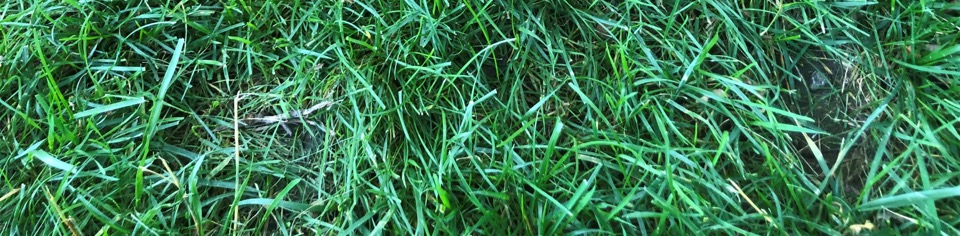
Flora of the Lawn

Our outdoor spaces

Outdoor spaces are important for our health and well-being. They hold aesthetic value and provide us with space for recreation and respite, which can enhance physical and psychological well-being. For many people, a yard space is the only slice of nature they experience.

We manage our outdoor spaces according to the values we hold, encouraging plants we value, and discouraging those we do not. Some use their outdoor space to grow food gardens, lush green lawns or showy ornamentals, while others showcase the indigenous plants of the region and create wildlife habitat. Many people maintain multi-use spaces and partition areas with different plant types. Measured by surface area, it seems that the most valued plant assemblage in urban and suburban areas is the classic turf lawn. The “ideal” lawn contains one grass species (generally referred to as “turf grass”) and few if any “weeds” (everything else). In the lawn, we spend a lot of time, energy and money to care for the turf grass and discourage other plants. But, what is a turf grass anyway? And what are all those “weeds”?

Four “typical” lawns

To answer these questions, I examined species composition of lawns across four central midwestern states. Each lawn contained the usual non-native turf grass species including Kentucky bluegrass (Poa pratensis) and tall fescue (Schedonorus arundinaceus), and had a similar suite of “weeds,” including clover (Trifolium  species), common blue violet (Viola sororia), dandelion (Taraxacum officinale), creeping Charlie (Glechoma hederacea)and plantain (Plantago species).

Because the lawn is not a naturally occurring plant community, to maintain one requires significant time and resources. A uniform lawn of turf is nice for kicking a sport ball around, but a lawn with space for other plants can also provide habitat for the pollinators that help grow the food we enjoy but are threatened by habitat loss and climate change. By using native plants in our lawns we can also reduce our use of water, fertilizer, herbicide, and help shrink our carbon footprint. This can help us spend less time working on the lawn and more time enjoying it.

What’s in your lawn?

You can begin by thinking about how you use the space in your lawn and perhaps re-evaluating your position on lawn-care maintenance. Seek out the nurseries in your region to find the best native plant material. In the meantime, check out this fun field guide to the plant species you might find already growing in your own lawn.


Click here to download Flora of the Lawn


Share the Post:

Tessa M. Aby-Kruger

Botanist

Tessa is a geologist, botanist and vegetation ecologist with over 10 years of experience managing and conducting projects, specializing in ecological and floristic inventories, rare plant surveys, and vegetation monitoring. She also performs wetland evaluations and is a guided hike leader.

Jeremy Sheets

Senior Wildlife Biologist, Vice President

Jeremy is a founding member of Orbis and directs its ecological and wildlife surveys, assessment and planning services, and brings over 20 years’ experience conducting various wildlife surveys with a focus on bat ecology and urban wildlife management.


Jeremy has managed wildlife projects for private firms and the public sector including for wind facilities, pipelines, roadways, military bases, and airports. Jeremy is proficient in wildlife management/control techniques, wildlife identification, threatened and endangered species, and surveying and analysis techniques for mammals, birds, reptiles, amphibians, fish, and insects. Jeremy is a Federal Aviation Administration (FAA) Qualified Airport Wildlife Biologists who develop Wildlife Hazard Assessments (WHA) and Wildlife Hazard Management Plans (WHMP) for airports. Jeremy is qualified to inspect erosion, sediment and stormwater plans, and their implementation. Furthermore, Jeremy is federally permitted to conduct endangered bat surveys in USFWS Regions 3, 4, 5, and 6 and includes acoustic surveys, mist-netting, and radio telemetry.

J Ryan Duddleson​

Senior Archaeologist, Principal

Ryan is a founding member of Orbis and directs its cultural resource management services, and brings over 20 years’ experience helping clients assess and minimize the risk of impacting places with cultural value.


Ryan works with public sector clients including federal, state, and municipal government, as well as private firms in energy, transportation, industrial, and development sectors. He also coordinates with agencies and consulting parties involved with the National Environmental Policy Act, Section 106 of the National Historic Preservation Act, and other related cultural resource laws and regulations. He performs archival research, analysis, and excavation. Ryan also has experience in artifact and archival curation. He has applied innovative techniques to traditional artifact analysis, such as examining organic residues from prehistoric pottery to determine prior contents. Ryan also has experience with human remains in archaeological settings. Ryan meets the Secretary of the Interior’s Standards and Guidelines for Archaeology and Historic Preservation, 48 FR. 44716 and is a Qualified Professional Archaeologist in Indiana, Illinois, Iowa, Michigan, Ohio, Pennsylvania, and Wisconsin.